

Stewardship of 726 acres
includes fire resilience.
The land does the work first. Native plant communities, careful spacing, and seasonal maintenance produce a landscape that is habitat-rich, water-wise, and less likely to carry fire to a home.
Montrêux is a recognized by the NFPA as a Firewise USA® Participating Community.
Key habitat features
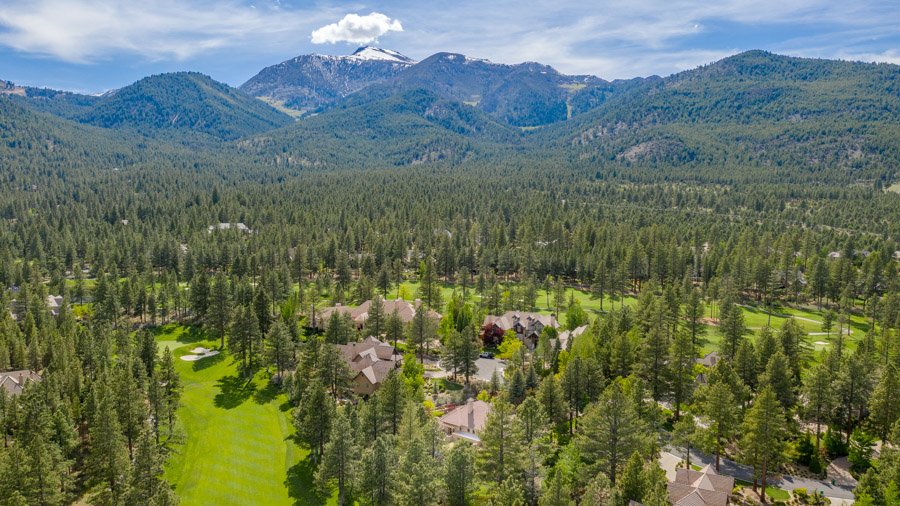
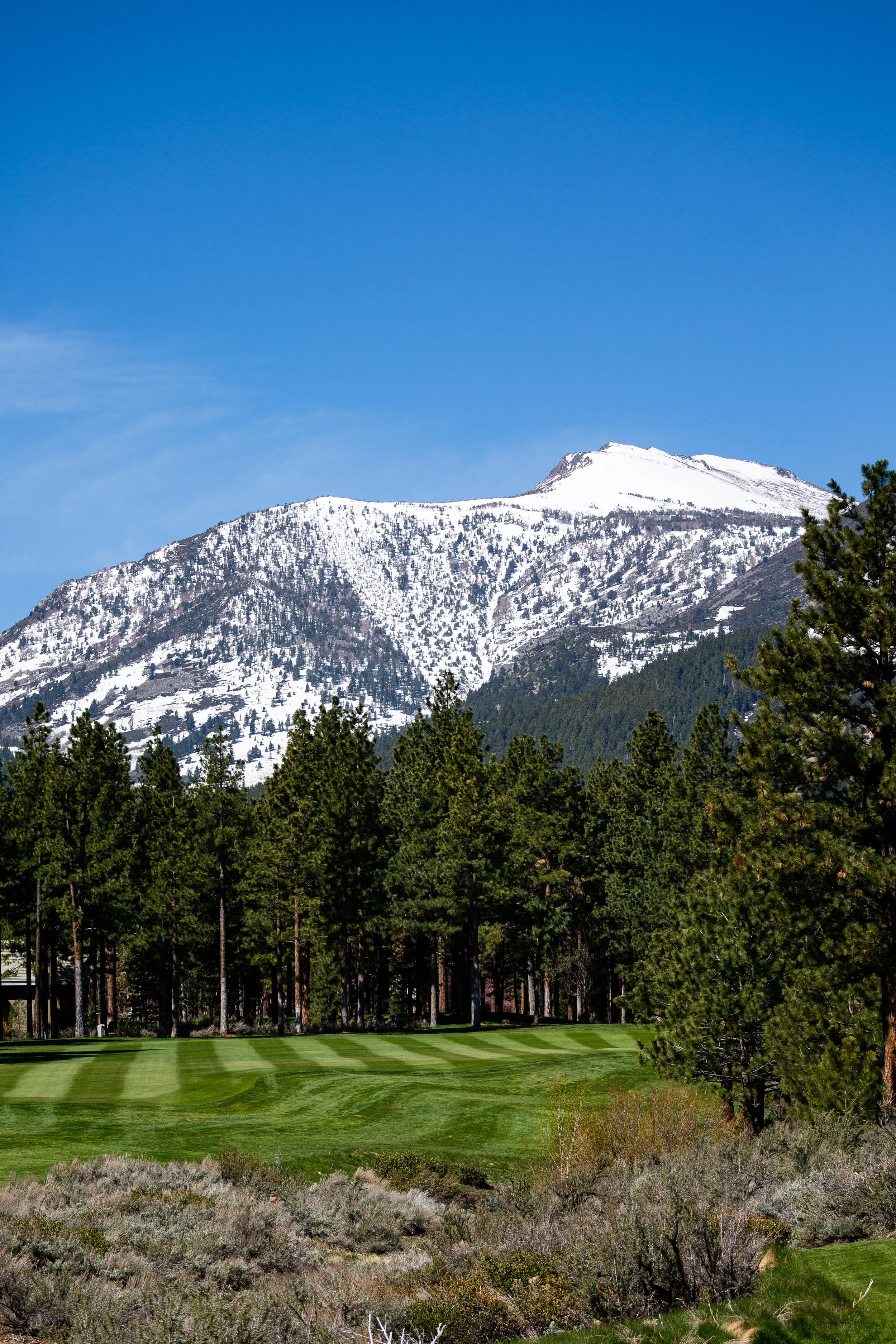
Flora: The area is characterized by dense stands of Jeffrey Pine, Ponderosa Pine, and the rare Washoe Pine, alongside aspen groves and high-altitude sage and other shrubs.
Hydrology: Galena flows through the area, with additional water from tributaries like Jones and White’s creeks, creating rich riparian zones.
Terrain: Characterized by steep hillsides, rocky outcroppings, and rolling montane forests near the edge of the Mount Rose Wilderness Area.
Climate: Four distinct seasons with occasionally significant winter snowpack and mild summers, perfect for high-country alpine plants and wildlife.
Wildlife and biodiversity
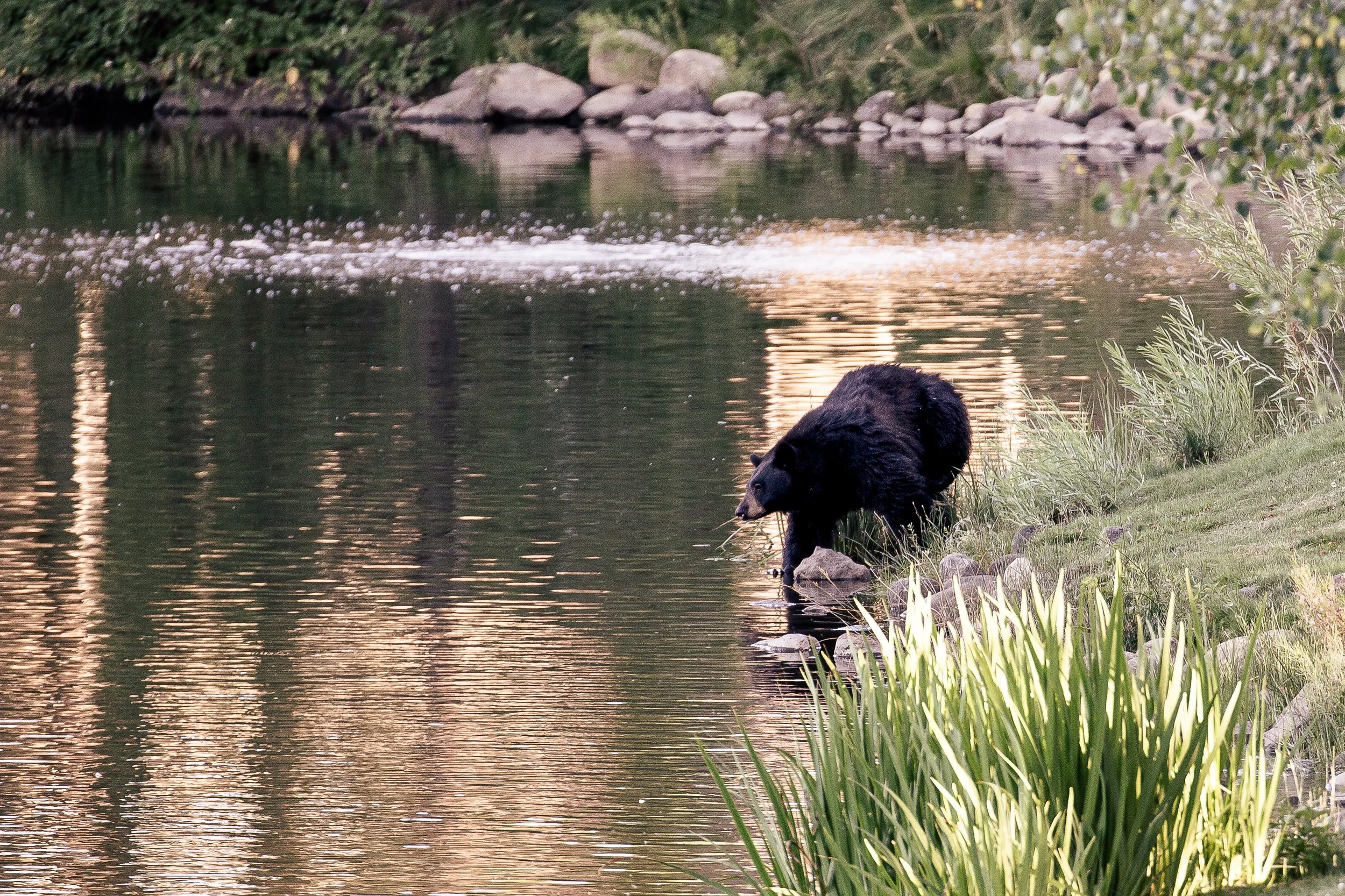
The area is a bustling wildlife corridor, particularly for the Martis Band of the Truckee Loyalton deer herd. Common fauna include:
Mammals: Black bear, mountain lion, coyote, bobcat, Sierra Nevada red fox, deer, raccoon, marmot, and various squirrels (Douglas, Golden Mantle).
Birds/Other: Small brown bats, various avian species including eagles and a variety of other raptors, as well as native trout in nearby streams.
Designated wetlands
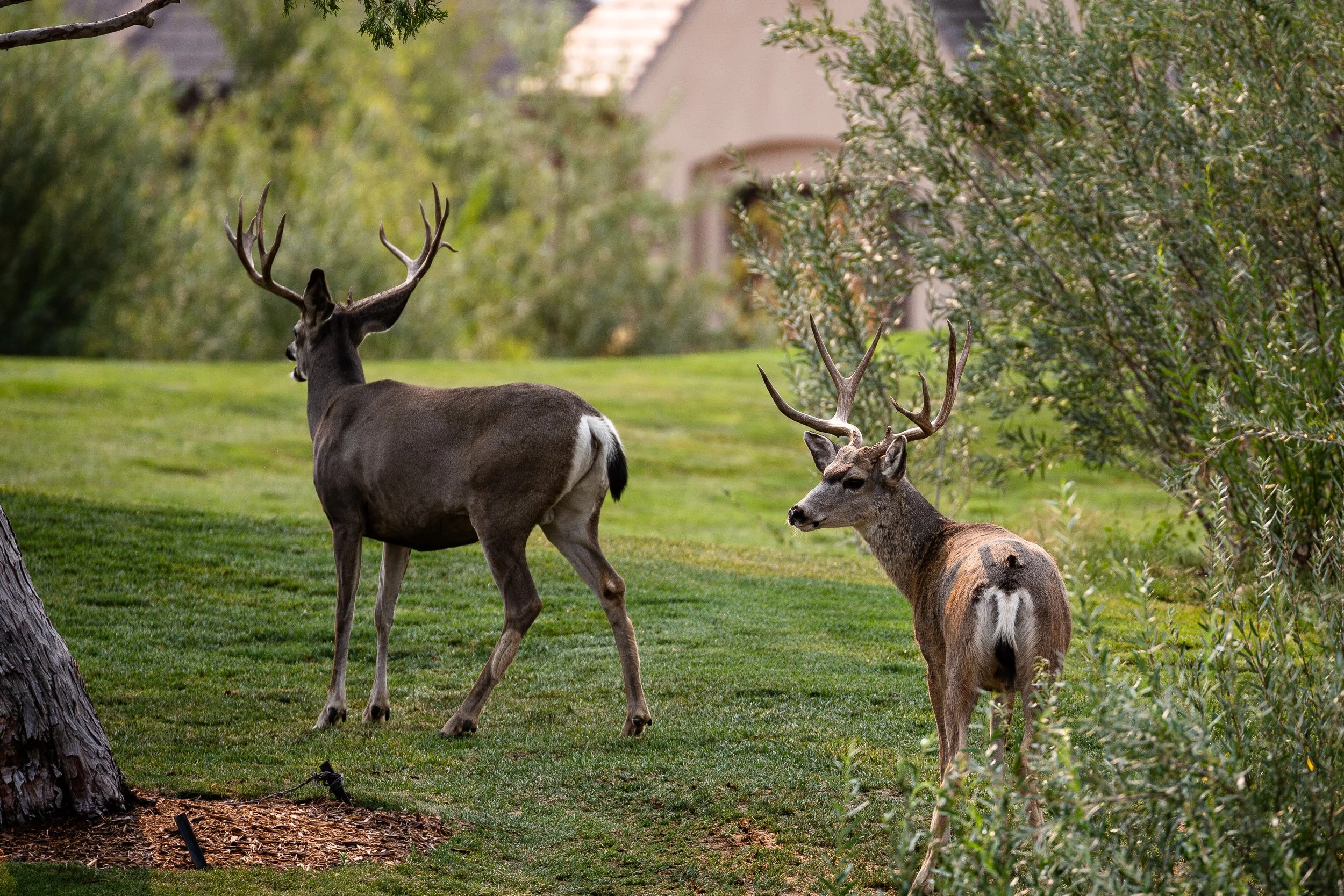
Four wetland areas within the community — along Holes #1, #2, #14, #15, and #16 — are protected under County and Federal designation. Entry is prohibited at all times. Course-side paths are a Club Member privilege available outside play hours; when used, dogs must be leashed and walkers must remain on designated cart paths.
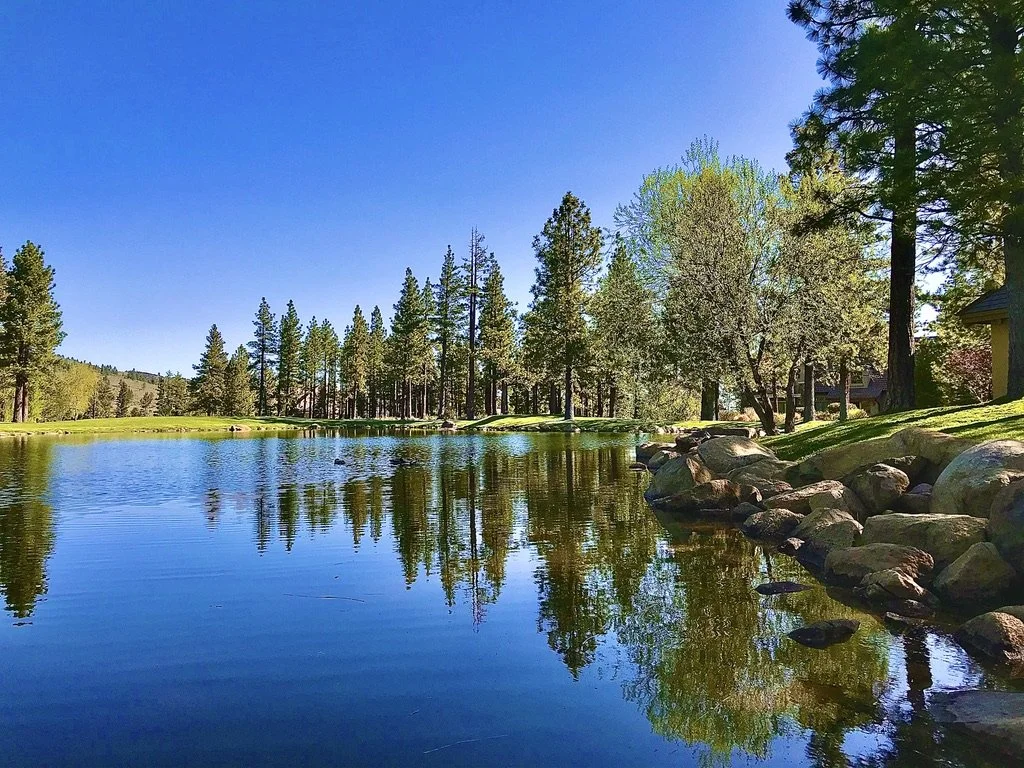
A high-elevation coniferous forest at the edge of the Mount Rose Wilderness.
The natural habitat of Montrêux is a high-elevation coniferous forest located on the eastern slopes of the Sierra Nevada mountains. Dominated by Jeffery and Ponderosa pines, this lush area at roughly 5,500–6,000+ feet features year-round creeks, dense forest terrain, high desert vistas, and snowy winters.
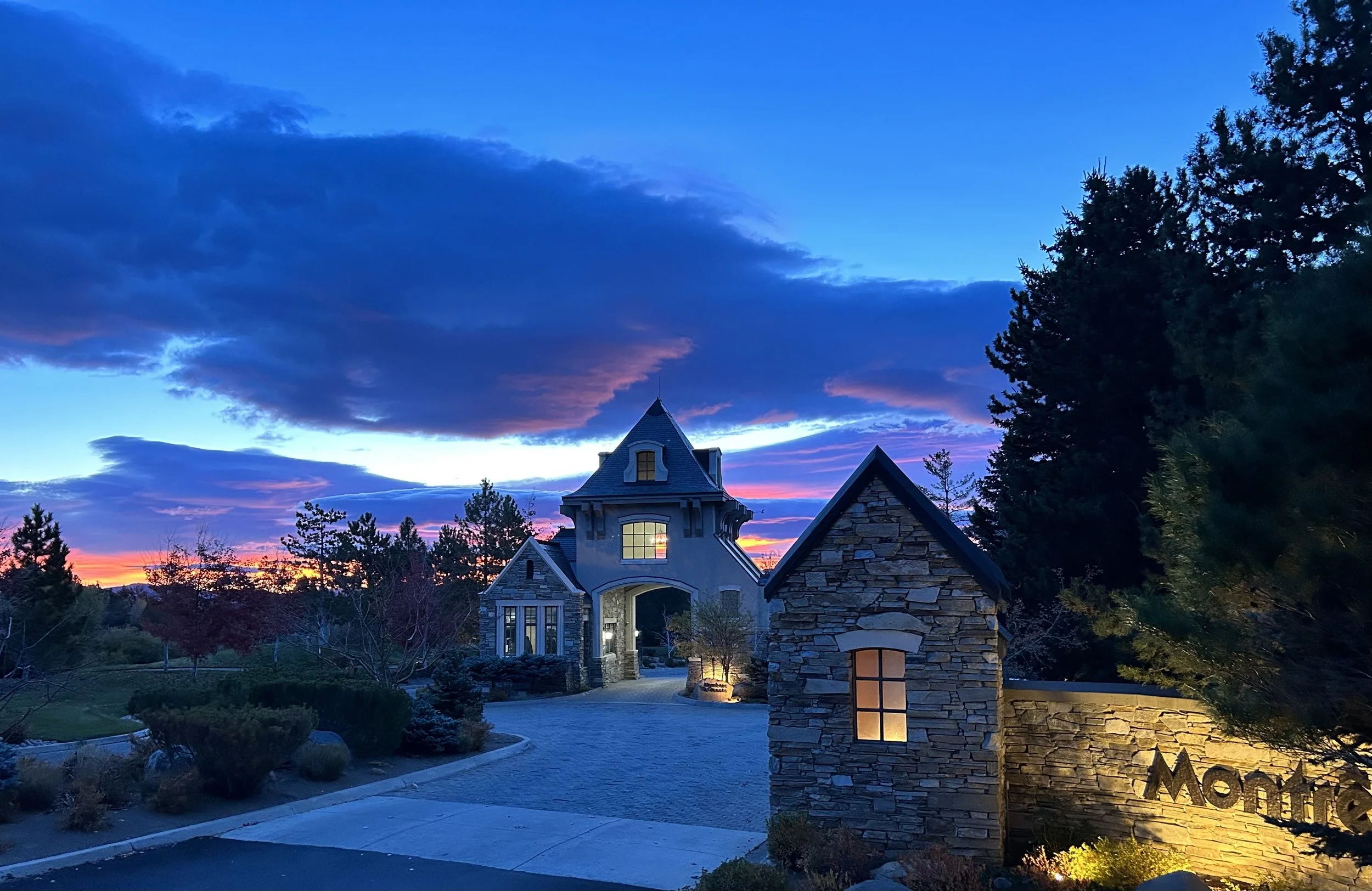
Authoritative sources, and a plant guide for the Sierra front.
Truckee Meadows Fire Protection District
Washoe County emergency notifications
Choosing the right plants — fire-resilient species, and what to avoid; both halves of the question — recommended species for the Sierra front, and the high-flammability or invasive plants to keep off the lot — covered in a single authoritative guide: unr.edu
Thinking defense-in-depth when it comes to your home — zones zero, one, and two.
Defensible Space is the buffer around a home where the vegetation has been managed to reduce the wildfire hazard. By creating defensible space around your home, it increases the chance of home survival and provides a space for firefighters to safely defend the home during a wildfire event.
Read the full Defensible Space guide: livingwithfire.org